
A resort outing should not make swimming the price of belonging. Plan shared periods for conversation and meals, provide comfortable non-swimming choices, and keep water activities voluntary. The group stays connected without requiring every guest to use the same facility.
Ask about preferences before booking
Collect simple activity preferences privately: swimming, gentle recreation, sports, conversation, quiet rest, photography or joining only for the meal. Do not ask people to justify why they do not swim. Health, confidence, clothing, culture and personal choice can all shape participation.
Use the responses to choose the group base. A shaded pavilion or room near—but not inside—the wettest circulation area may help swimmers and non-swimmers reconnect without forcing anyone onto a pool deck.
Confirm current alternatives
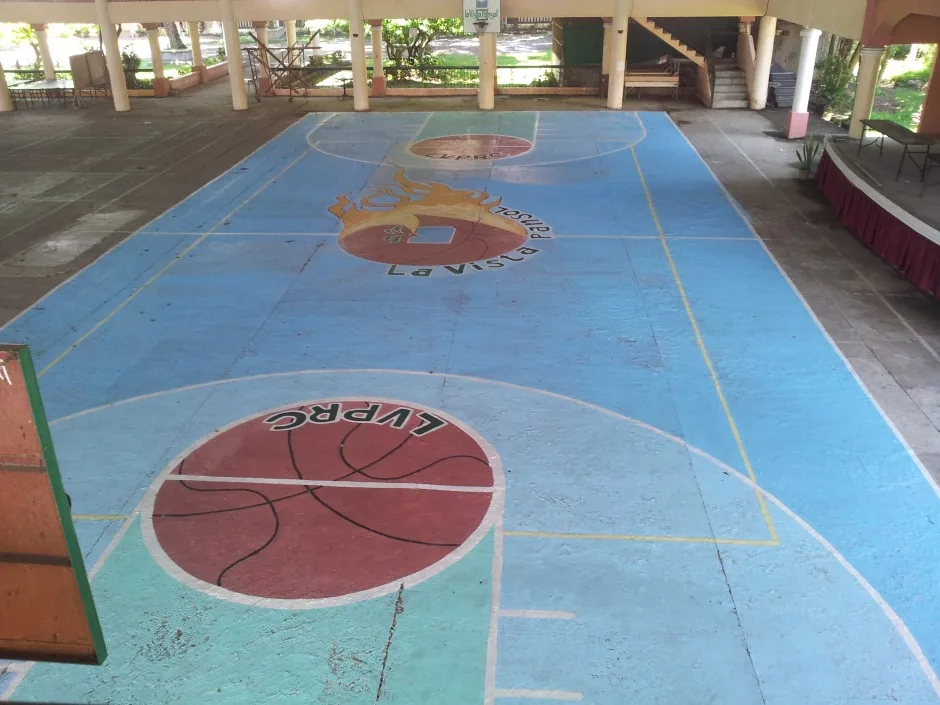
The historic La Vista Pansol archive includes basketball, table games, landscaped areas, playground images and former wildlife attractions alongside pools and slides. These photographs show the resort’s past range, not current availability. Ask which dry activities operate on the date, any fees, age rules, equipment and weather limitations.
Avoid promising a particular attraction to the group until it appears in the current written confirmation. Historical wildlife photographs, in particular, should not be interpreted as proof that an animal area remains open.
Build shared anchors into the schedule
Use arrival, one main meal, group photographs and a closing period as shared anchors. Between them, offer choices. A morning swim can run alongside a shaded conversation or simple table activity; the group then reunites for lunch. An afternoon sport or walk can be optional while others rest.
Do not make non-swimmers responsible for everyone’s bags by default. Assign storage and supervision intentionally and rotate duties. A guest who chooses not to swim is still a participant, not automatic support staff.
Create comfortable places to wait
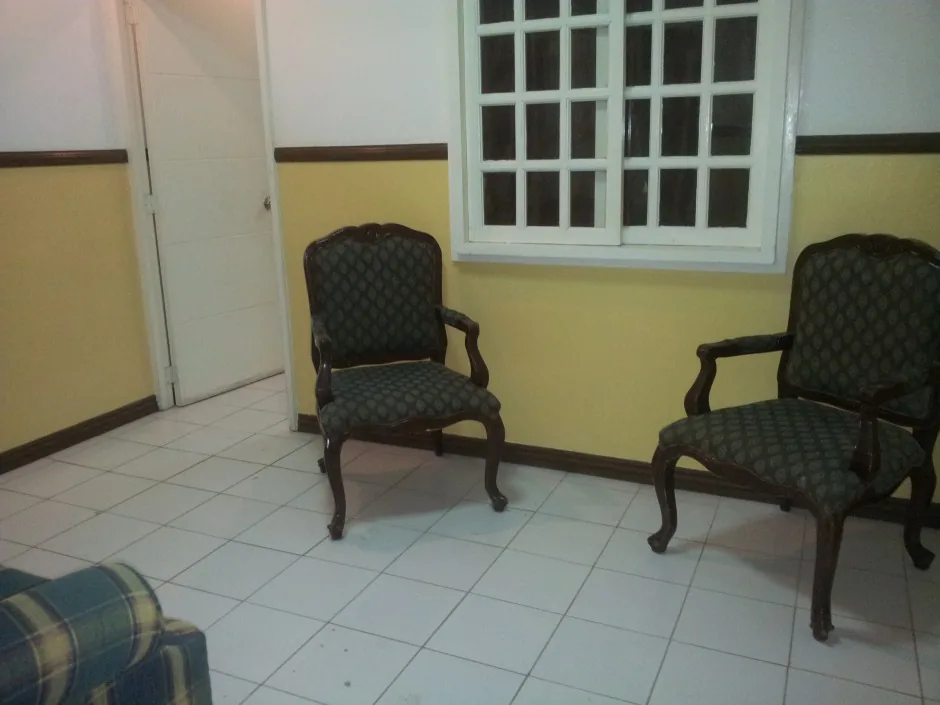
Confirm seating, shade or air-conditioning, toilets, drinking water and a dry route. Check whether sound from slides or events makes conversation difficult. For older adults or guests sensitive to heat, the best non-swimming activity may be a quiet room near the gathering.
A worked 24-person outing
Sixteen people want to swim, four prefer sports or walking, and four want mainly to talk and share the meal. The group books a confirmed base with seating for everyone and schedules two swim blocks. During the first, a small dry group uses the basketball area while others remain at the shaded base. Everyone returns for lunch and photographs.
In the afternoon, activities are optional and shorter. Bag duty rotates between two adults who have agreed to it; non-swimmers are not assigned automatically. The group rejects an additional paid water activity because it would consume the budget without improving the experience of eight guests.
Weather can change the balance
A rainy or very hot day increases the importance of indoor or covered space. Confirm what remains usable and whether the whole group fits, then connect the decision to the weather backup plan.
Give children choices without losing supervision
Children who do not want a slide or deep pool should have a safe alternative with a named adult, not be pushed to participate because the group paid for admission. If a playground or court is currently available, confirm age rules and condition. Keep the same transfer and headcount method when children move between wet and dry zones.
Plan equipment and fairness
Ask whether balls, table-game equipment or other recreation items are included, rented or brought by guests. Do not let one household carry the full cost and work of every dry activity without agreement. Choose simple shared options that are easy to stop for meals and weather changes, and avoid blocking circulation with improvised games.
Measure success by participation
After drafting the schedule, check how many hours each preference group spends with a reasonable activity, rest option or shared event. If non-swimmers are expected to wait beside the pool for most of the booking, the plan is not genuinely inclusive. Adjust the base, shorten the swim blocks or select a venue with confirmed dry facilities.
Our judgment
A strong group outing has a shared social purpose and several ways to participate. Pools may be the visual centre of a Pansol resort, but the trip becomes more inclusive when meals, rest and dry activities receive equal planning attention. Verify current facilities and let guests choose without pressure.
Sources and review notes
- La Vista Pansol preserved former-site Attractions, Rates and image archive, inspected September 2026. Historic recreation and wildlife features were not treated as current.
- The 24-person scenario is an editorial example designed to expose participation tradeoffs.