
A group supervision plan should answer five questions before anyone enters the water: which adult watches which swimmer, in which zone, for how long, how responsibility is transferred, and what happens when the group moves or stops. The plan is short, but it must be explicit.
List swimmers by support need
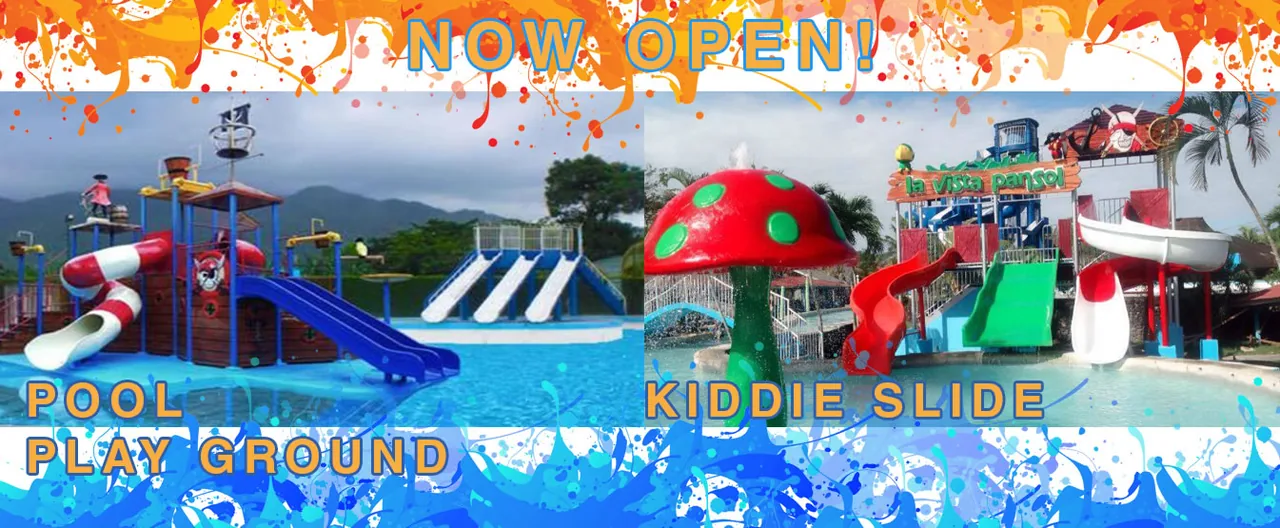
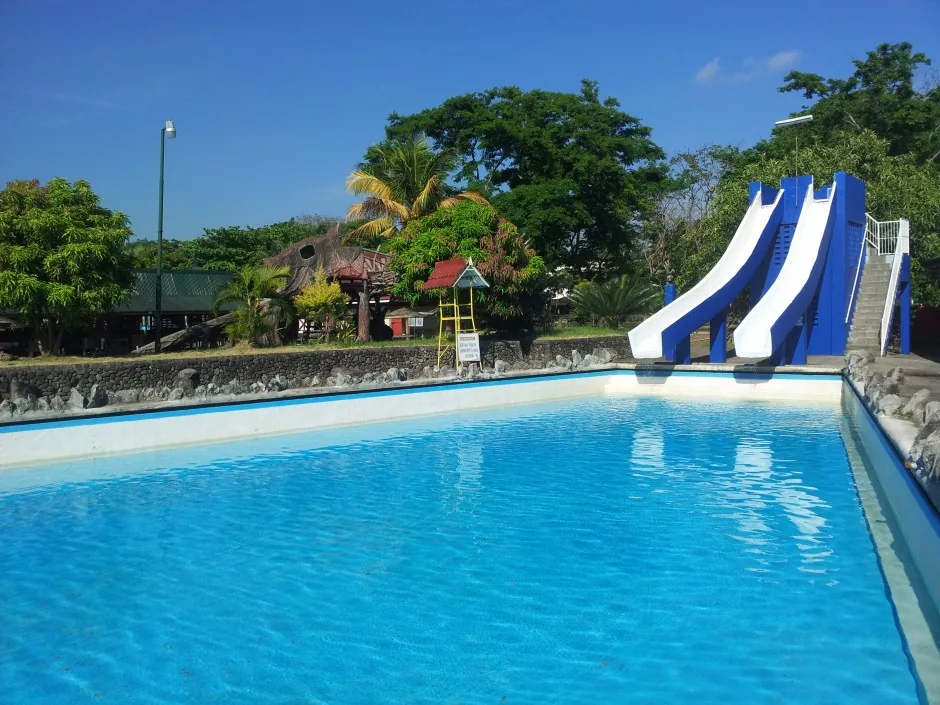
Do not group children only by age. Record non-swimmers, beginners, confident swimmers, people unfamiliar with slides, and adults who may need assistance. Ask the venue for current pool depths, attraction rules and restricted areas. Historic La Vista Pansol photos show different pools and slides, so one supervision method cannot be assumed to fit the whole property.
Anyone who needs close support receives a named adult. Stronger swimmers still remain inside a defined zone and check-in rule. Adults who are drinking alcohol, sleeping, cooking, using headphones or handling work calls are not active supervisors during that period.
Divide the water area into zones
Use simple visible boundaries: kiddie area, main pool, slide queue and landing area, or covered pool. Give each supervisor one zone rather than asking an adult to scan several separated spaces. If the group changes zones, everyone returns to a meeting point for a headcount before the move.
Confirm which parts are currently open and where attendants or lifeguards are positioned, but keep the family plan independent. Resort staff may oversee the facility as a whole; the group remains responsible for knowing where its members are.
Use timed rotations
Set short blocks that adults can realistically sustain while attentive. At the end of a block, the incoming adult verbally accepts the assignment: name the swimmers, the zone and any issue. The outgoing adult does not leave until the transfer is acknowledged.
Build water and shade breaks into the rotation. PAGASA’s heat-index information changes with current observations, and the Department of Health warns of dehydration and other heat-related illness during high heat conditions. A scheduled break protects both swimmers and supervisors; a tired adult’s attention also declines.
Headcount at transitions
Count at arrival, before entering a new zone, before meals, after toilet trips and before departure. Use names for a smaller group and a written roster for a large event. Do not count only children if adults or older relatives may separate from the group.
Children should know the meeting point and the rule that they do not move to another pool with a friend’s family unless their assigned adult makes the transfer. Bright rash guards or other recognizable swimwear can help identification, but they do not replace proximity and attention.
Prepare emergency information without pretending to be rescuers
Ask where to contact resort staff, where first-aid assistance is located and how emergency vehicles enter. Keep phones and essential medical information dry and accessible. Adults should act within their training and seek qualified help; a written plan does not turn an untrained person into a lifeguard or medical professional.
A worked rotation for nine children
Four adults supervise three non-swimmers, four beginners and two confident older children. Adult A remains with the three non-swimmers in the shallow zone. Adult B watches the beginners in the main pool. Adult C covers the older children’s approved slide zone. Adult D stays dry with the roster, bags and younger siblings, then replaces one supervisor every 25 minutes.
When the group wants to move to the covered pool, all nine children return to the same table, names are checked, and zone assignments are reset. The method is more deliberate than informal family swimming, but it prevents the most common organizational failure: assuming another adult noticed the move.
What this plan cannot do
A family roster cannot certify a pool, predict another guest’s behaviour or replace trained rescue and medical personnel. It also cannot make an unsuitable attraction appropriate for a particular child. Treat current venue rules and qualified staff instructions as minimum boundaries, and choose the simpler activity whenever the group lacks enough attentive adults to cover every zone.
Our judgment
A plan succeeds when every adult can explain the current assignment without checking a long document. Keep it visible, rotate before attention drops, and stop when the group can no longer maintain coverage. Pair it with the family swimming-day guide.
Sources and review notes
- DOST-PAGASA: Heat Index, reviewed 21 September 2026.
- Department of Health CAR: Heat-related illnesses, reviewed 21 September 2026.
- La Vista Pansol preserved former-site pool photographs, inspected September 2026. Current pool layout and staffing require confirmation.