
A weather backup is not simply “bring umbrellas.” It identifies which parts of the trip continue in rain or high heat, which move indoors, which require current operator confirmation, and which conditions trigger rescheduling or an early departure.
Use seasons for preparation, forecasts for decisions
PAGASA describes the Philippines as tropical and maritime and identifies two broad seasons using rainfall and temperature: a rainy season from June to November and a dry season from December to May, with a hot dry period generally from March to May. These ranges help a group decide what to pack, but they do not predict a specific Saturday.
Check current PAGASA forecasts, heat-index information and active warnings as the date approaches. Repeat the check before departure because conditions and observations can change. Avoid relying on a social-media screenshot without its issue time and source.
Ask the venue what “open in rain” means
Confirm which pools, slides, walkways, halls and food areas operate during rain, thunder or other adverse conditions. A covered pool may protect from direct rain but does not answer electrical, lightning, access or staffing decisions. Follow current venue instructions and official warnings.
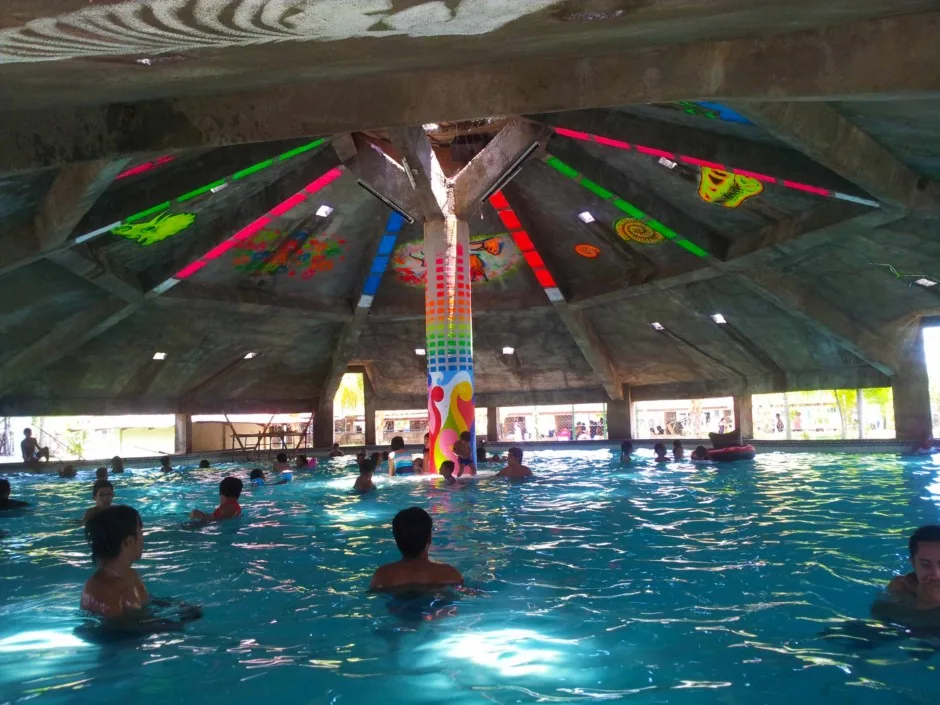
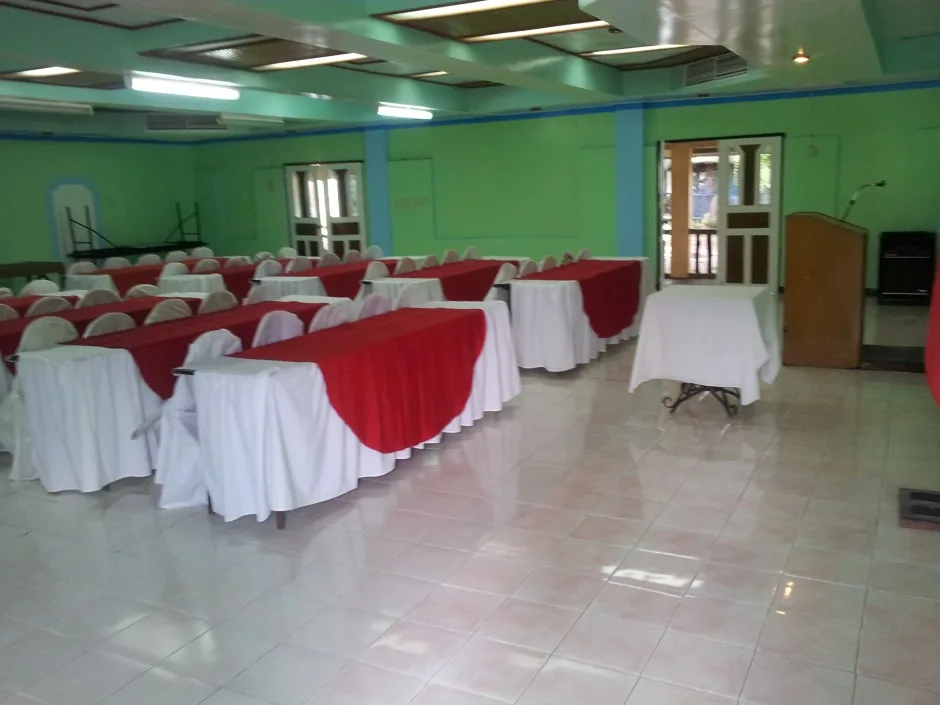
The preserved La Vista Pansol archive shows covered and open facilities. Use the photographs to identify the spaces you want discussed in the quotation, then ask for current operation and safe access. Do not infer a weather policy from the structure shown in an old image.
Create three versions of the day
Normal plan: the intended pool, meal, room and event schedule. Reduced outdoor plan: fewer pool periods, longer shaded or indoor breaks and activities that fit the confirmed covered area. Stop or reschedule plan: the conditions under which the group does not travel or leaves early.
Name the person who makes the call and the latest practical decision time. For a company or reunion, identify how the decision reaches every vehicle. A backup plan fails if half the group is already on the road before the message is sent.
Pair the activity plan with contract terms
Before paying, request written rescheduling and cancellation rules, including the evidence required for weather exceptions, notice deadline, fees, replacement-date restrictions and expiry of any credit. Ask whether partial facility closure changes the package or whether the venue may substitute another area.
A weather plan cannot guarantee a refund. Its purpose is to ensure the group knows the agreed commercial consequences before conditions deteriorate. Save the final written terms with the payment acknowledgement.
Heat can disrupt a sunny day
Clear weather is not automatically comfortable. PAGASA publishes heat-index information, and the Department of Health lists dehydration, heat cramps, heat exhaustion and heat stroke among high-heat risks. Move demanding activities away from the hottest part of the day where practical, schedule water and shade, and provide a cooler rest option.
A worked birthday backup
A 25-person birthday plans two pool periods and lunch. The group confirms a covered meal area that holds all guests, a room for a toddler and grandmother, and which attractions close under adverse weather. It prepares table games and a shorter program for the reduced outdoor plan.
The coordinator checks PAGASA the evening before and again three hours before departure. If an official warning or unsafe travel condition triggers the written venue policy, the coordinator uses the agreed rescheduling process. If only brief rain is expected and the venue confirms operation, the group follows the reduced plan. The decision is based on current evidence and contract terms, not pressure to “get the money’s worth.”
Protect the return journey
Weather planning continues after checkout. Confirm road and pickup conditions through appropriate current sources, keep dry clothing and essential medicine accessible, and avoid loading luggage where it blocks passengers or mobility equipment. If drivers are tired or conditions deteriorate, the group needs authority to delay departure or use a safer alternative rather than following the original minute-by-minute schedule.
Our judgment
The most valuable backup protects transport and group communication first, then preserves the social purpose where safe. Confirm current venue practice, document the commercial terms and accept that some conditions justify stopping. Combine this guide with the quotation checklist.
Sources and review notes
- DOST-PAGASA: Climate of the Philippines, reviewed 21 September 2026.
- DOST-PAGASA: Heat Index, reviewed 21 September 2026.
- Department of Health CAR: Heat-related illnesses, reviewed 21 September 2026.
- La Vista Pansol preserved former-site photographs, inspected September 2026; no current weather-operation policy was inferred.