
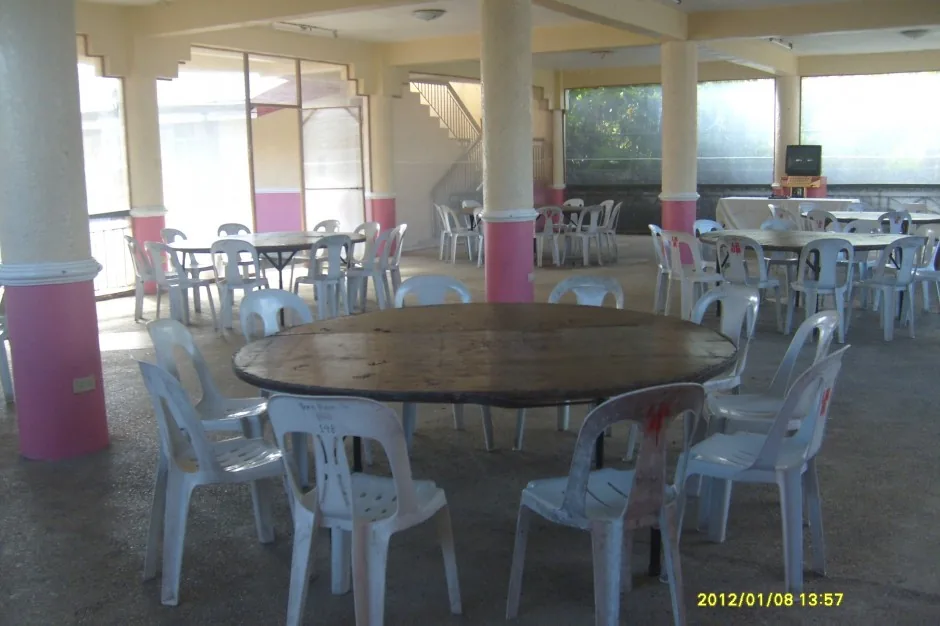
Choose between smaller rooms, a rest house and dormitory-style accommodation by asking what the space must do. Sleeping capacity is only one function. A group may also need privacy, daytime rest, dry storage, bathrooms, supervision, food preparation or a central meeting point.
Smaller rooms: privacy and easier allocation
Separate rooms usually make it easier to protect couples’ privacy, give older adults a quiet environment and place young children with their caregivers. They can reduce bathroom pressure when each room has its own facilities. The tradeoff is fragmentation: the group may need several keys, repeat information and move between buildings.
Ask for current room location, beds, bathroom, air-conditioning, guest limit and pool inclusion. A lower headline price may apply to fewer people or a shorter access window, so compare the full group total.
Rest house: a shared base
A rest-house format can serve as a central family base with sleeping, seating and storage in one unit. It suits groups that want to stay together and manage food or children collectively. Its value depends on layout: one large sleeping room differs from several bedrooms, and one bathroom can constrain a large group.
Confirm which areas are private to the booked group, kitchen or appliance access, room divisions, toilets and showers, parking, and the distance to the pools. Do not assume “rest house” means exclusive pool use unless the current quote explicitly says so.
Dormitory: efficient capacity with coordination costs
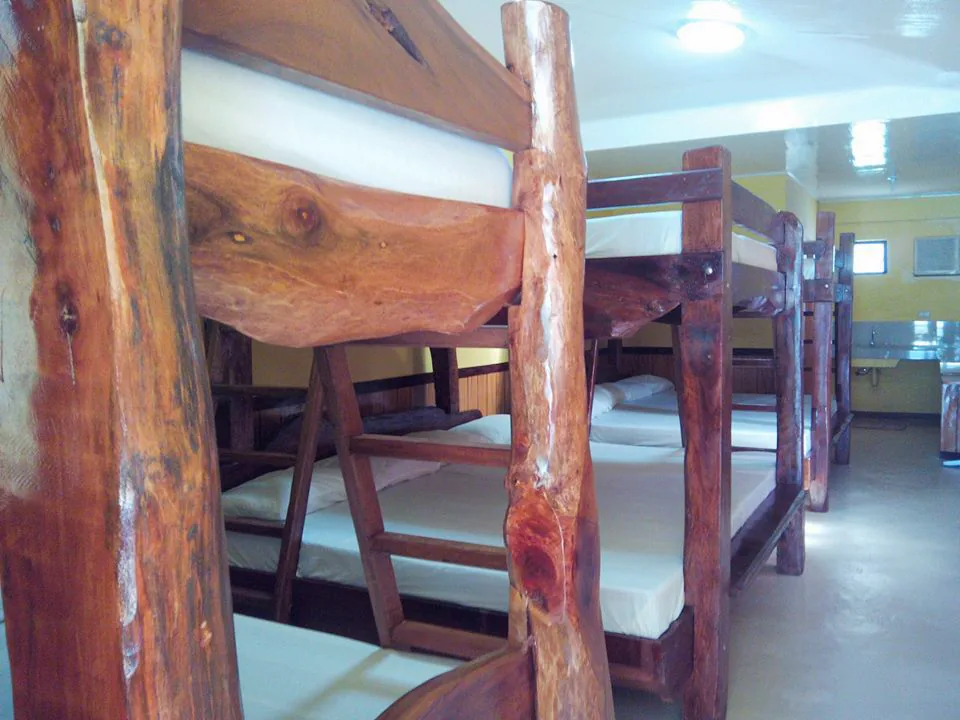
Dormitory-style accommodation can work for school-age groups, teams or barkada members comfortable sharing. It concentrates the group and may simplify headcounts. It also increases noise, bathroom demand and the need for bed-allocation rules. Upper bunks may not suit young children, older adults or anyone with mobility limitations.
Ask about adult supervision arrangements for youth groups, bunk access, lockers or storage, bathroom count, quiet expectations and mixed-gender privacy. Nominal capacity should not override the group’s safeguarding and comfort needs.
Use a function matrix
Score each option for seven functions: sleep, privacy, bathrooms, accessible route, daytime rest, dry storage and group coordination. Weight the functions that matter most. A family with grandparents may double the importance of access and bathrooms; a youth team may weight supervision and headcount control.
Add only verified commercial data after the functional comparison. This prevents the cheapest option from becoming the automatic winner before the group recognizes its operational cost.
A worked comparison for 20 guests
A group includes four couples, six teenagers, two children and four solo adults. One dormitory appears simplest, but it cannot provide the desired couple privacy and may not suit the children. Five small rooms provide privacy but leave no central day base.
The group’s preferred structure becomes one rest house for common activity and several smaller sleeping rooms. It asks the operator whether this combination is available and which pool access is duplicated or shared. If the combination is too expensive, the group revisits priorities: it may accept a group room for teenagers and solo adults while preserving smaller rooms for couples and children.
Archive evidence and current reality
La Vista Pansol’s former website showed cottages, Sotano rooms, Casa Blanca, Bucal rest-house rooms and dormitory arrangements. The image collection is valuable evidence of the historic product range. It is not a current inventory, and changes in finishes, beds, names or availability should be expected until verified.
Check the room after receiving the quote
Match every line of the room sheet to the group roster before paying: names, number of units, beds, occupancy, bathrooms, stay window and pool access. Ask the operator to correct ambiguous abbreviations. On arrival, report a material difference promptly through the verified booking channel and retain the written quote and photographs; do not rely on a later memory of what a sales message appeared to promise.
Our judgment
Smaller rooms are strongest for privacy and differentiated needs; a rest house is strongest as a shared base; a dormitory is strongest for coordinated capacity among compatible guests. Many large groups benefit from a hybrid rather than forcing every person into one format. Review the historic room overview and use the quotation guide to obtain current facts.
Sources and review notes
- La Vista Pansol preserved former-site Rooms and Rates pages and original image archive, inspected September 2026.
- The comparison method and 20-person case are editorial tools; current product availability and capacity require operator confirmation.