
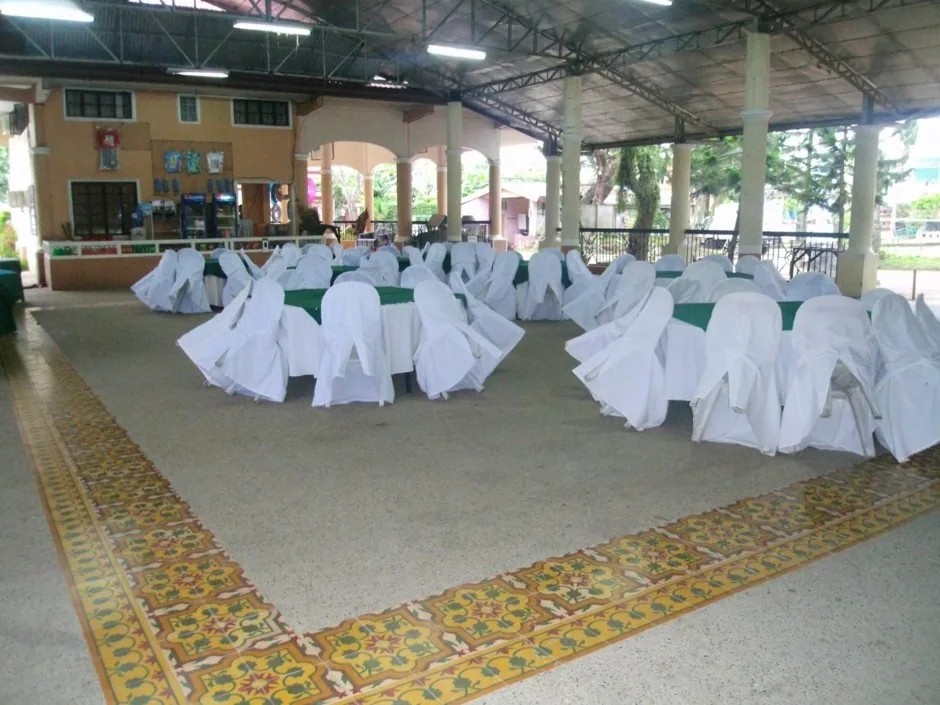
A resort food plan must connect the menu to the venue’s current rules and the group’s schedule. Confirm outside-food permission, corkage, preparation equipment, cold storage, supplier access, service space and cleanup before buying groceries or paying a caterer.
Choose the service model first
Venue package: simplest coordination when the written menu, portions and times suit the group. External caterer: more control but requires supplier access, power, water, tables and cleanup. Bring prepared food: practical for families but still needs safe storage and serving tools. Cook on site: flexible but consumes time and depends on allowed appliances and preparation space.
A group can combine models—for example, venue lunch plus family snacks—but should identify who owns each meal. “Everyone brings something” often produces too much dessert, not enough drinking water and no clear food-safety responsibility.
Get the rules in writing
Ask which foods and drinks are allowed, how corkage is calculated, whether glass is prohibited, where cooking may occur, which appliances or fuel are permitted, and whether whole-roast or specialty items have separate handling. Confirm refrigerator, freezer and clean-water access rather than relying on a historic room description.
For caterers, ask the entry time, vehicle route, loading point, setup area, staff admission, electricity and waste rules. Record whether the caterer or family removes leftovers and rubbish.
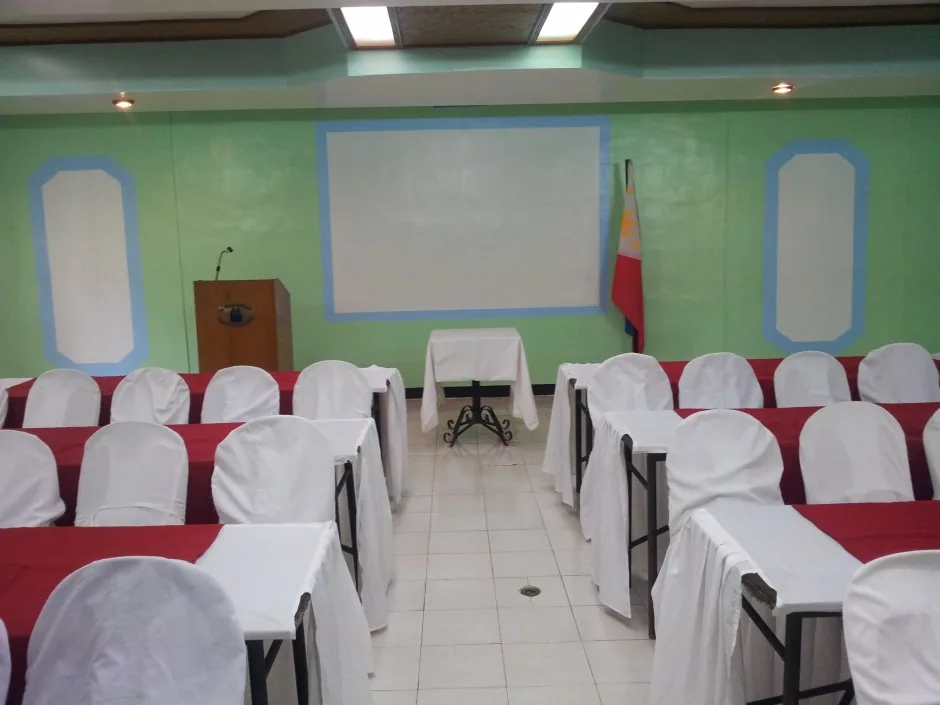
Build meals around swimming
Schedule proper breaks so children and adults are not eating while moving around wet areas. Allow time to dry, wash hands and settle before a main meal. Keep drinking water available throughout the day rather than treating it as part of a single meal service.
Assign adults for food setup who are not simultaneously responsible for active pool supervision. If the same people must do both, pause swimming while the meal is prepared. Clear roles matter more than an elaborate menu.
Handle allergies and dietary needs discreetly
Collect material dietary needs through one coordinator and pass only necessary information to the caterer or food lead. Label dishes and use separate utensils where cross-contact matters. Do not promise an allergen-free environment unless the responsible provider can actually support that claim.
Keep medicines and emergency information with the relevant guest or responsible adult. A menu list is not medical advice; guests with serious allergies should follow their established care plan and communicate directly where needed.
A worked menu for 30 guests
A reunion with 22 adults and eight children chooses prepared lunch, a simple afternoon snack and continuous drinking water. One household coordinates the main dishes, another supplies labelled child-friendly portions, and the venue quote confirms the pavilion, tables, outside-food rule and waste process.
The group rejects on-site cooking because it would require two supervising adults to leave the pool area for several hours. It spends slightly more on prepared food but gains a clearer schedule and safer division of responsibilities. Leftovers are packed before the second swim period rather than being left exposed.
Calculate food separately
Record venue food, outside purchases, catering, ice, water, corkage and disposable or reusable serving supplies as separate lines. Note who benefits from optional alcohol or specialty items so the entire group does not automatically subsidize them. Use the group-cost guide for contribution rules.
Prepare for power, delay and leftovers
Ask what preparation remains possible during a short power interruption and avoid a menu that depends entirely on unverified appliances. Keep the caterer’s arrival contact with the coordinator and identify a latest safe service time if traffic delays occur. Bring clean containers for permitted leftovers and decide who transports them; food that cannot be kept under suitable conditions should not be carried through a long hot return trip.
Review the service area on arrival
Before unpacking everything, confirm the assigned tables, water point, electrical outlets, waste location and any changed instruction with venue staff. Keep food setup out of emergency and accessible routes. Photograph the agreed clean starting condition where appropriate, and report an unsuitable or unsafe setup before service begins rather than improvising around it.
Our judgment
The best resort meal plan is dependable, easy to serve and compatible with supervision—not necessarily the largest menu. Confirm rules, reduce last-minute cooking and make drinking water and cleanup first-class parts of the plan.
Sources and review notes
- La Vista Pansol preserved former-site Rates, Rooms and Function Hall pages and event image archive, inspected September 2026. Historic meal packages and corkage terms were not treated as current.
- The 30-person example is an editorial planning scenario.