
“Accessible” is not a sufficiently precise answer for most trip decisions. Describe the guest’s actual needs and ask about the complete route from vehicle to room, toilet, dining area and chosen pool. Request current photographs or measurements when a step, doorway or distance could determine whether the visit works.
Begin with the person, privately
Ask the guest what information would help and what they prefer to handle themselves. Do not require a public explanation of a diagnosis. Practical questions may concern walking distance, steps, handrails, wheelchair turning space, a firm seat, toilet layout, heat sensitivity, hearing, vision or a quiet room.
Assign one coordinator to communicate necessary details to the venue with the guest’s agreement. Avoid making assumptions based on age or visible mobility.
Trace the arrival route
Ask where the vehicle can stop, the surface and distance to reception or the group base, and whether there are steps, steep slopes, narrow gates or wet crossings. Confirm whether a wheelchair or walking aid can remain with the guest and where a driver waits.
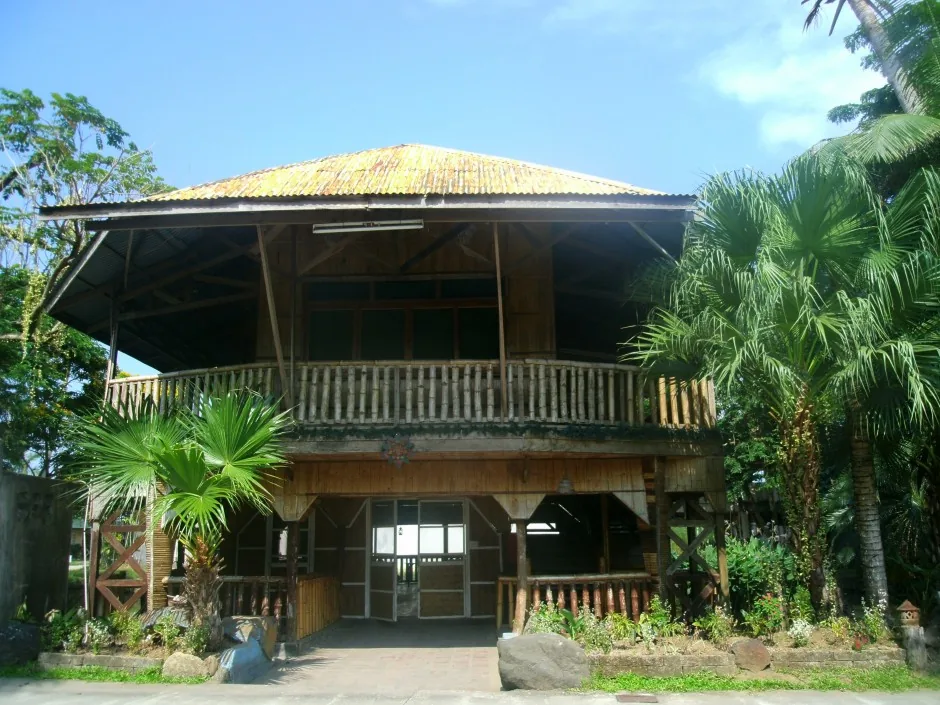
A photograph of a garden path can show scenery but not the full accessible route. The preserved La Vista Pansol archive is historic and does not verify present surfaces, ramps or barriers.
Room and toilet questions
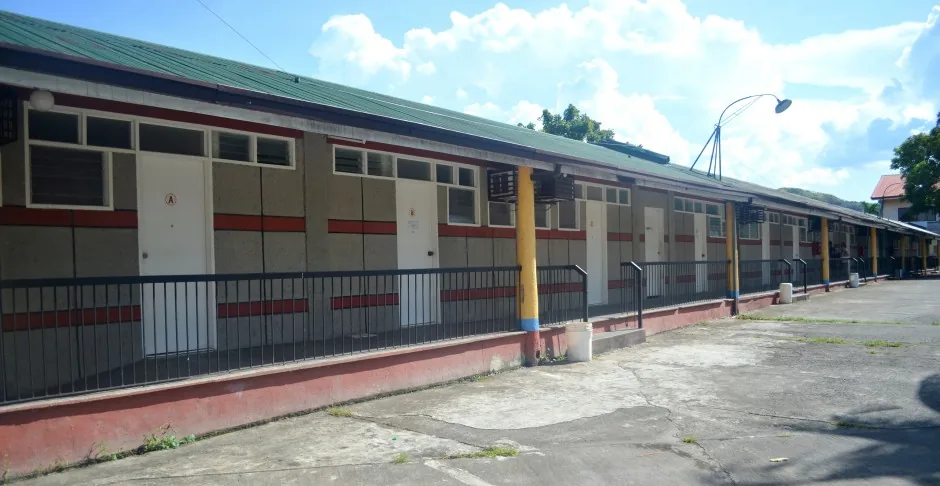
Request the room’s floor level, step count, doorway width where relevant, space beside the bed, bed height, bathroom location, shower arrangement, grab rails and night lighting. Ask whether the room shown in a photo is the room being quoted. “Ground floor” does not guarantee a step-free route from parking.
For a day visit, confirm that the room or rest area is available throughout the required hours, not only during an overnight check-in window. Identify a quiet, cooler location for a guest who needs to rest away from music or pool activity.
Pool access is individual
Ask about the route to the selected pool, deck surface, steps, rails, seating and changing facilities. Do not assume that a person wants to swim or that assistance from relatives is appropriate. If specialized pool access or trained support is required, obtain specific current confirmation rather than interpreting a general marketing phrase.
A worked visit brief
A family is travelling with a grandmother who walks short distances with a cane and tires in heat. With her agreement, it asks for the distance from vehicle drop-off to the shaded base and toilet, the number of steps, availability of a firm chair with arms, a nearby air-conditioned room and the route to the family’s pool.
The venue supplies current photos showing two unavoidable steps. The family discusses them with the grandmother rather than deciding for her. If the route is manageable with her chosen support, it records the agreed drop-off. If not, it asks about another area or chooses a more suitable venue. The process respects both safety and autonomy.
Weather and emergency planning
Heat and rain can turn a marginal route into an unusable one. Check current PAGASA information, provide drinking water and confirm shelter. Ask how emergency vehicles reach the relevant area and how staff can be contacted. Do not block access routes with tables, bags or parked vehicles.
Include communication and sensory needs
Ask whether important announcements are given only by loudspeaker, whether staff can also provide written directions, and whether lighting changes after dark. A guest who is hard of hearing may need the schedule and emergency instructions in text. A guest sensitive to noise or crowds may need a predictable quiet area and the option to leave an activity without crossing the busiest route.
Confirm the plan at arrival
Conditions can differ from photographs, so walk the agreed route with the guest before the group spreads out. Identify the nearest suitable toilet, resting place and staff contact. If a material barrier was not disclosed, pause and discuss an alternative rather than lifting, carrying or moving equipment without the person’s consent.
Our judgment
Useful accessibility information is specific, current and connected across the whole visit. A single ramp or broad label does not prove that essential destinations are reachable. Ask respectfully, verify the exact route and let the guest participate in the decision. Add these items to the visit brief.
Sources and review notes
- DOST-PAGASA: Heat Index, reviewed 21 September 2026.
- La Vista Pansol preserved former-site photographs, inspected September 2026. No current accessibility claim is made.
- The worked case is a planning example, not a description of a specific guest or verified route.